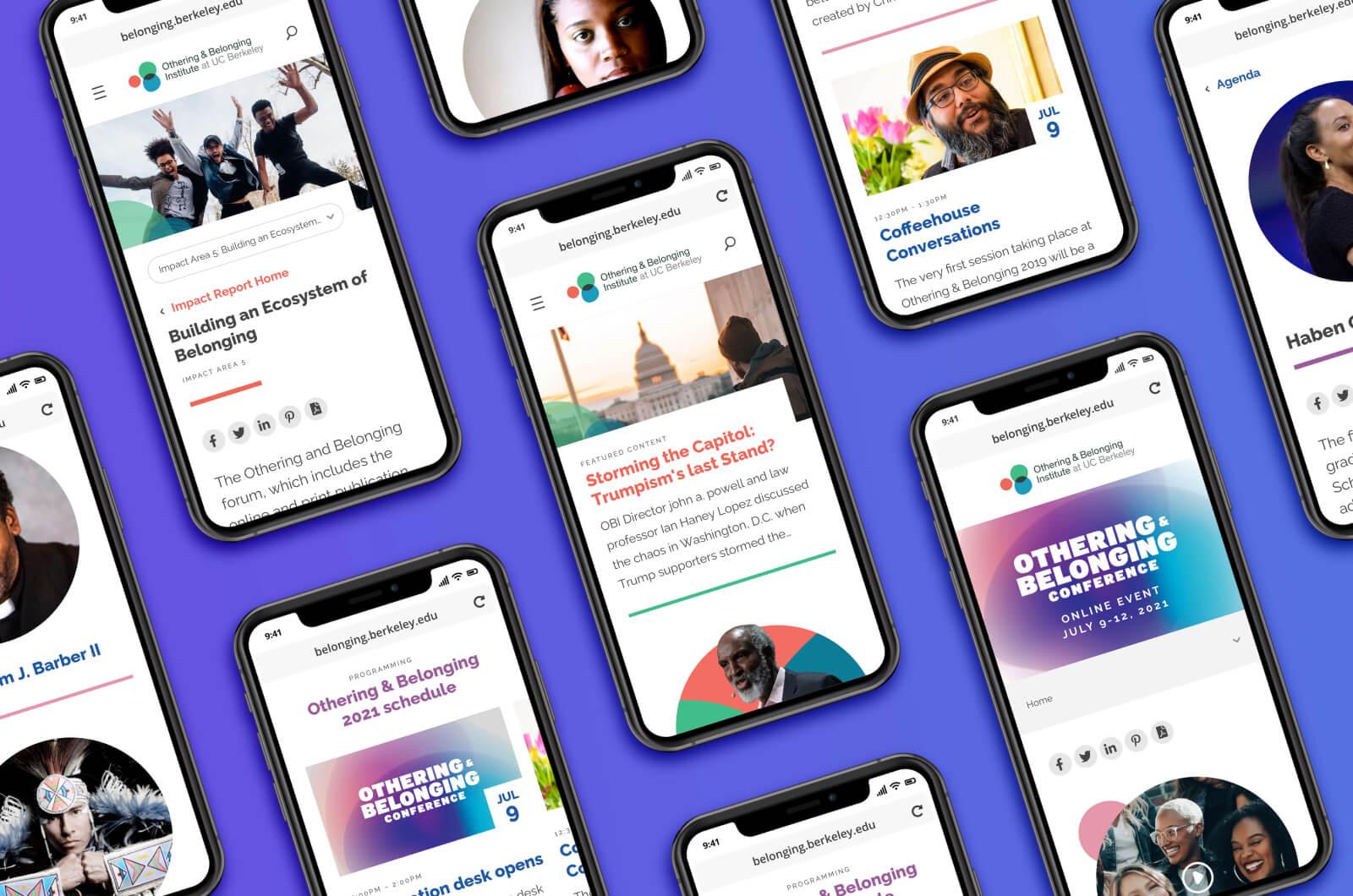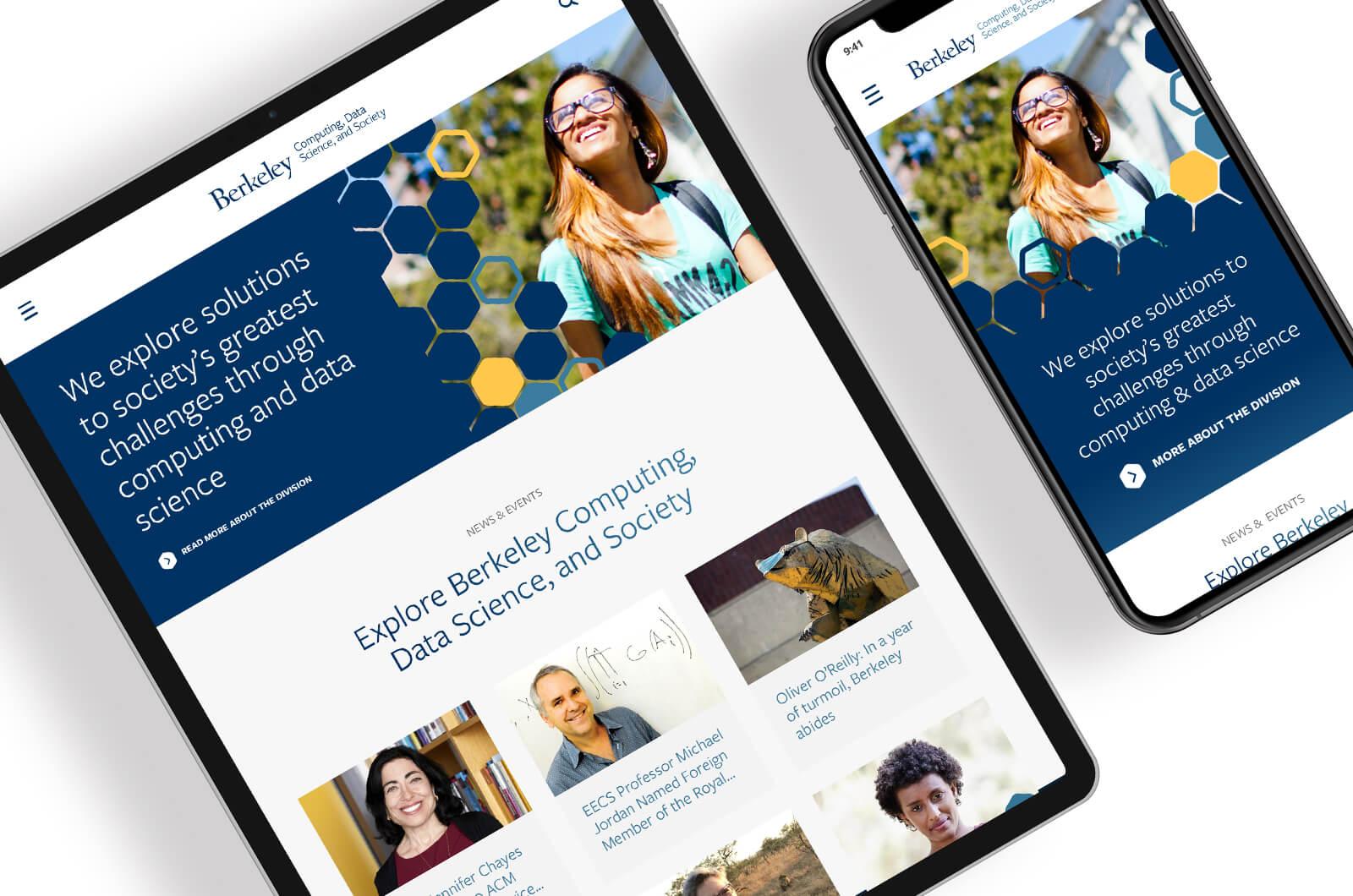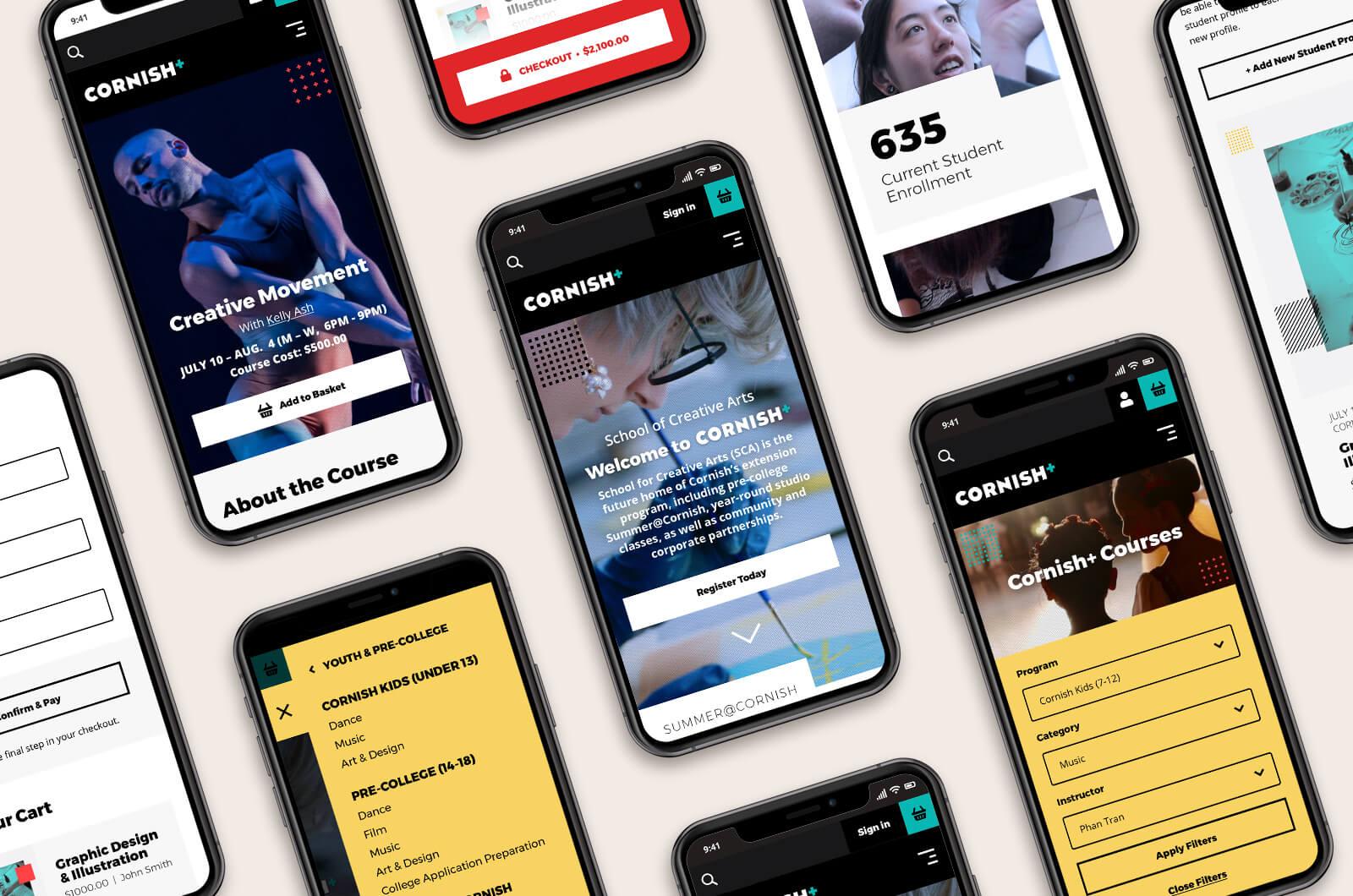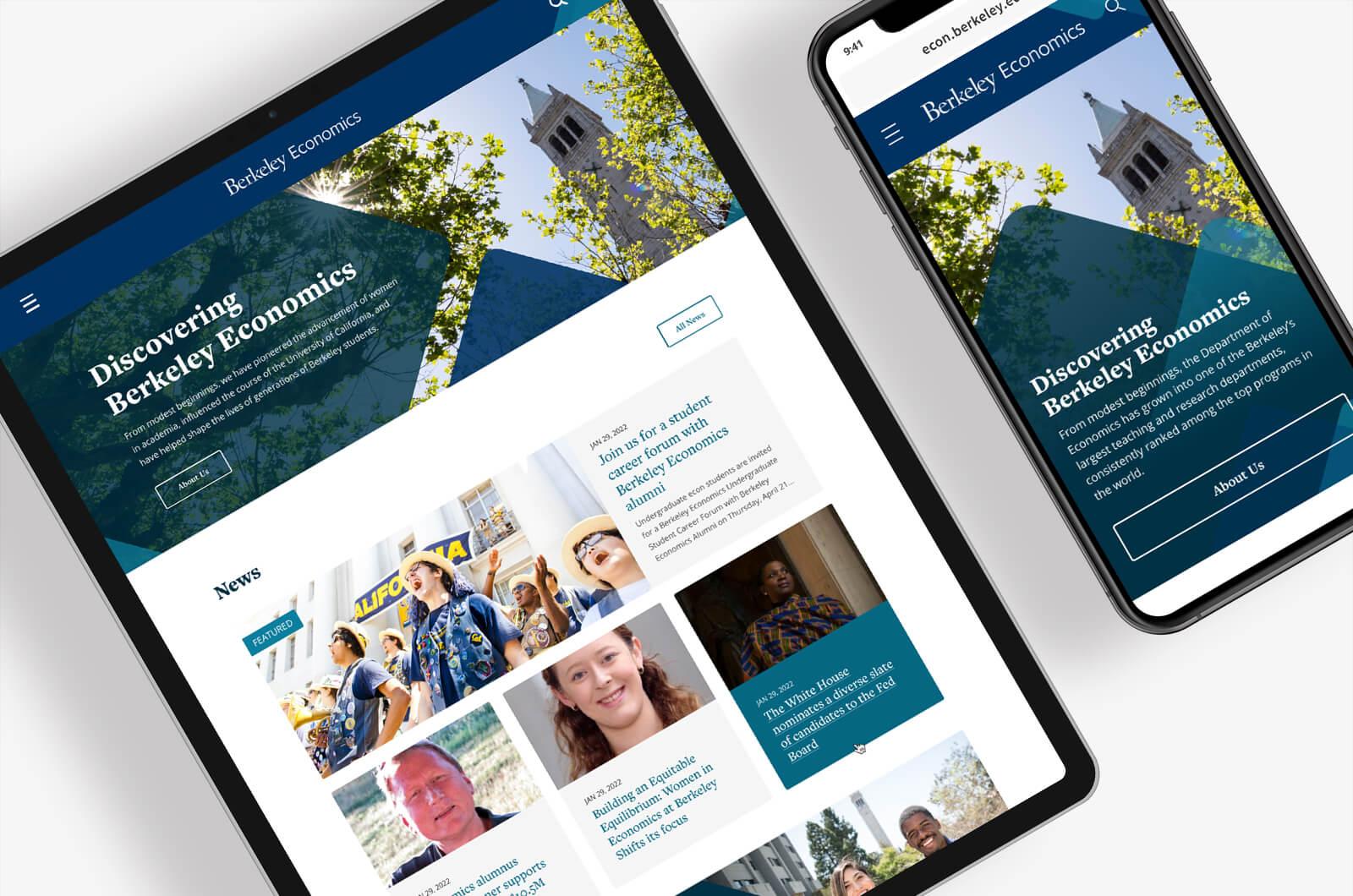






Black Antelope is a Seattle-based Drupal development agency that has designed, built, and migrated Drupal sites for universities, government agencies, and nonprofits since 2010, with a focus on accessibility, structured content, and long-term maintainability.
Drupal is a powerful platform, but most of the challenges we see are not about Drupal itself. They come from content that has grown without structure, systems that do not quite match how teams actually work, and years of incremental decisions that start to add up.
We work with universities, government agencies, and other public-serving organizations to bring clarity to that. Sometimes that means a full redesign. Sometimes it is a migration off an older version. Often it is stepping back and rethinking how content is organized, how publishing is governed, and how Drupal connects to the rest of your ecosystem.
A lot of our work involves environments that go beyond a single site. Multisite platforms, multilingual publishing, accessibility requirements, and integrations with third-party systems are often part of the picture. We design Drupal implementations that can support multiple departments, languages, and audiences without turning into something brittle or difficult to manage.
We also work with organizations that need more than a standard marketing site. That can include ecommerce, complex content relationships, or integrations with CRMs, student systems, or other internal tools. Drupal is well suited for this kind of work, but only if it is structured carefully from the start.
Our focus is on building Drupal platforms that are clear, maintainable, and built to last. Not just something that works at launch, but something your team can continue to use, adapt, and grow over time.


Frequently asked questions
Is Drupal good for a large enterprise website?
Yes. Drupal is built for exactly this: thousands of pages, many content types, granular editorial permissions, multi-site management, and integrations with enterprise systems like CRMs and SSO. Organizations such as governments, global brands, and major universities run on Drupal because it stays structured and governable at a scale where simpler CMSes become unmanageable.
Is Drupal good for ecommerce?
Drupal handles ecommerce well when the store is part of a larger content-rich site, using Drupal Commerce for full control over products, pricing, and checkout, or integrations with platforms like Shopify for the transaction layer. For a pure standalone store, a dedicated ecommerce platform is often simpler; for commerce woven into a complex site with lots of editorial content, Drupal is a strong choice.
Is Drupal good for university and higher education websites?
Yes, Drupal is the most widely used CMS in higher education. It handles the things campuses need: departmental sub-sites, faculty and course catalogs, strict accessibility standards, single sign-on, and dozens of editors with different permissions. We have built Drupal sites for UC Berkeley, UCSF, Seattle University, and other institutions.
Is Drupal good for government websites?
Yes. Drupal is a standard choice for government at every level because it is open source (no license fees), meets strict security and accessibility requirements, and supports multilingual content well. Our work for the Washington State Department of Commerce, for example, serves content in 12 languages and meets WCAG accessibility standards.
Is Drupal good for nonprofit websites?
Yes, particularly for nonprofits with a lot of content, programs, or chapters. There are no licensing costs, and Drupal integrates with the donation, CRM, and email tools nonprofits rely on, such as Salesforce and Pardot. For smaller nonprofits with mostly marketing content, WordPress can be the more economical choice, and we help organizations pick honestly between the two.
Is Drupal good for multilingual websites?
Yes, multilingual support is built into Drupal core: every piece of content, menu, and interface string can be translated, with per-language URLs and right-to-left language support. This is one of the areas where Drupal is clearly ahead of other CMSes, which typically rely on third-party plugins for translation.
Is Drupal secure?
Yes. Drupal has a dedicated security team, a formal advisory process, and a track record that has earned it adoption by governments and enterprises with demanding security requirements. Like any CMS, it is only as secure as its maintenance: applying security updates promptly is essential, which is a core part of our support plans.
Is Drupal good for SEO?
Yes. Drupal gives you full control over the things search engines care about: clean URLs, metadata, structured data (schema.org), fast page delivery, and well-formed semantic markup. Its structured content model is also an advantage for AI-driven search, which rewards clearly organized, factual content.
Is Drupal hard for content editors to use?
Not anymore. Modern Drupal ships with a much better editorial experience than older versions: a clean admin interface, drag-and-drop layouts, media management, and workflows. We configure the admin around each team's real tasks and include editor training with every launch, so day-to-day publishing does not require technical skills.
Is Drupal still worth using in 2026?
Yes. Drupal remains the leading open-source CMS for complex, content-rich websites, with a predictable release cycle and long-term support from a large global community. The move to modern Drupal (10 and 11) made upgrades dramatically easier than the old Drupal 7 era, so sites built today have a clear, low-cost upgrade path.