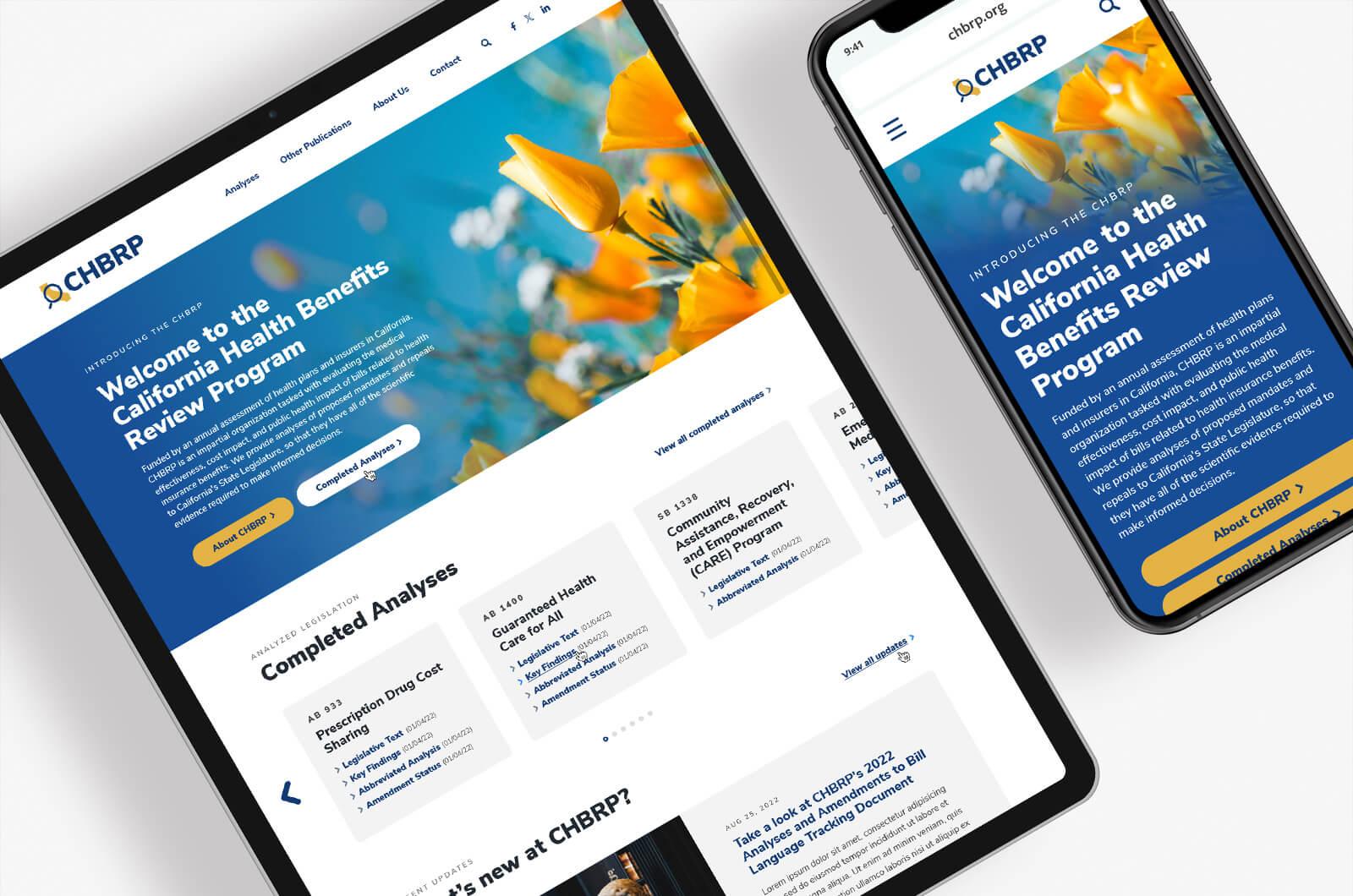
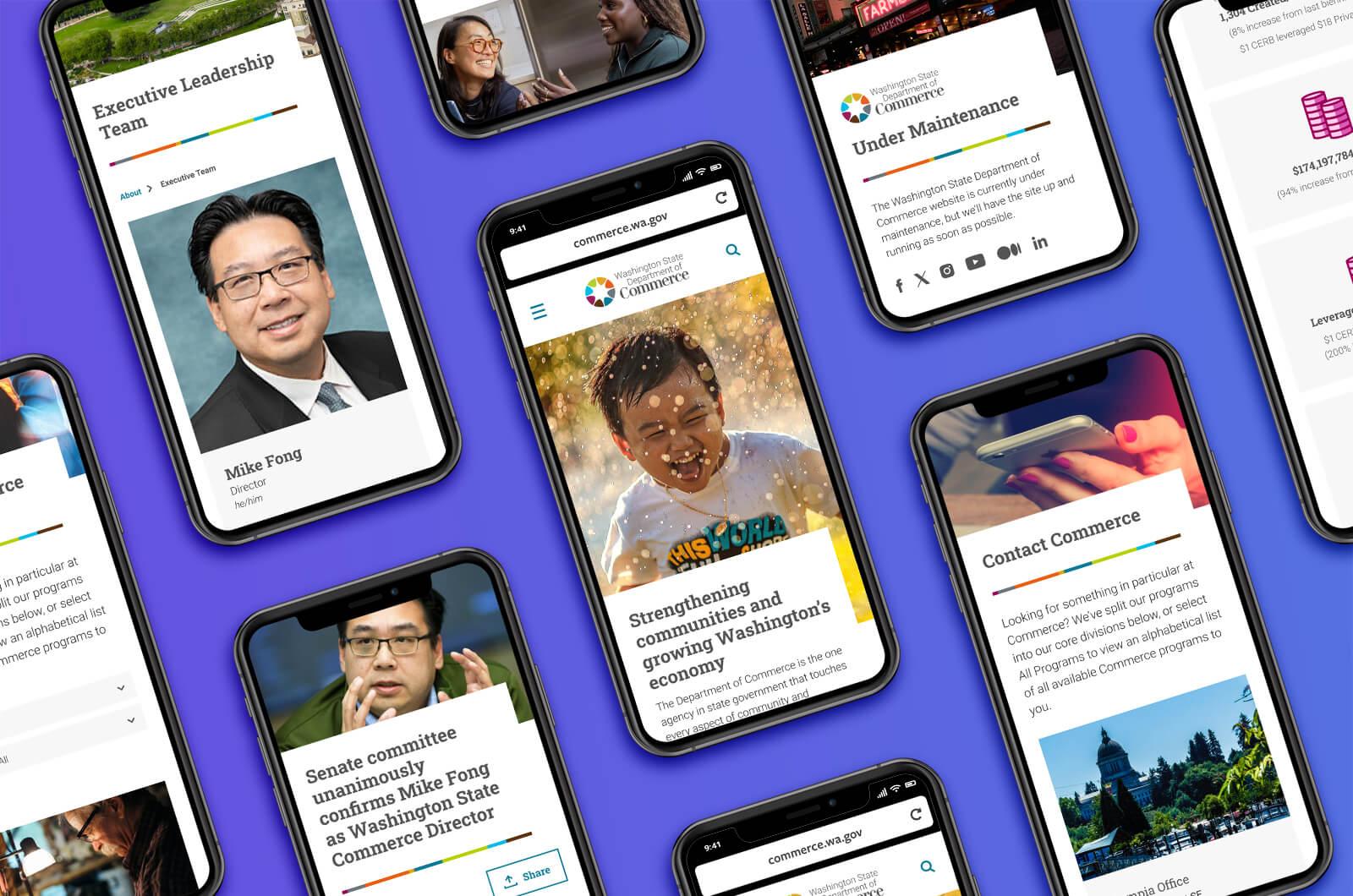
Government websites carry a different kind of responsibility. They are not just marketing tools. They are a primary way people access services, find information, and interact with public institutions.
At the same time, they are often built and maintained across multiple departments, with different stakeholders, priorities, and constraints. Over time, that can lead to fragmented content, inconsistent experiences, and systems that are difficult to manage.
We work with government agencies to bring structure and clarity to that environment. That includes improving how information is organized, making services easier to find, and building platforms that can support distributed teams without losing consistency.
Working Within Government
Government projects come with realities that are not always visible from the outside. Procurement processes, accessibility requirements, security standards, and coordination across departments all shape how a project moves forward.
We are familiar with these dynamics and design our process to work within them. That means clear communication, well-defined phases, and an approach that can adapt to feedback from multiple stakeholders without losing direction.
We have worked on projects where decisions involve technical teams, communications groups, and leadership, often at the same time. Our role is to help align those perspectives and keep the work moving.
Accessibility and Compliance
Accessibility is a baseline requirement for government websites. It affects how people access services, complete forms, and engage with public information.
Through our work in the public sector, we have come to approach this as an accessibility-first agency. Accessibility is not treated as a separate phase. It is built into design, development, and ongoing support.
We combine automated tools with manual testing to identify issues and, more importantly, address the underlying causes. The goal is to create systems that support accessible content by default, rather than relying on constant remediation.
Platforms: Drupal and WordPress
We primarily work in Drupal and WordPress, selecting the platform based on the needs of the organization.
Drupal is often a strong fit for large, complex environments that require structured content, multilingual support, and governance across multiple departments or sites.
WordPress can be effective for teams that need a more streamlined publishing experience, as long as it is implemented with a focus on security, performance, and long-term maintainability.
In both cases, the focus is on building a platform that aligns with how your team works, not forcing your team to adapt to the platform.
Integrations and Systems
Government websites rarely operate in isolation. They often need to connect with internal systems, third-party services, and external data sources.
We design and build integrations that allow content and data to move cleanly between systems. That might include APIs for services, integrations with CRMs, or syncing content across platforms.
The goal is to reduce duplication, improve accuracy, and make it easier for teams to manage information without relying on manual processes.
Long-Term Support and Sustainability
Government websites are long-term investments. They need to be maintainable, adaptable, and supported over time.
We focus on building systems that are stable and understandable, with clear patterns for content and development. That makes it easier for internal teams to manage the site and for future updates to happen without unnecessary complexity.
We also provide ongoing support, including accessibility monitoring, performance improvements, and incremental enhancements as needs evolve.
Frequently Asked Questions
What makes government website projects different?
They typically involve more stakeholders, stricter requirements around accessibility and security, and a need to balance transparency with usability. Projects often move in phases and require coordination across departments.
How do you handle accessibility requirements?
Accessibility is built into our process from the beginning. We combine automated testing with manual review and focus on creating systems that support accessible content over time.
Do you work with existing systems?
Yes. Many projects involve integrating with or improving existing systems rather than replacing everything at once.
Which platform is better for government, Drupal or WordPress?
It depends on the complexity of the organization and the level of governance required. Drupal is often used for larger, more complex environments, while WordPress can be a good fit for simpler or more focused implementations.